
St Wilfrid's Primary School A Catholic Voluntary Academy
Read Write Inc Phonics

Read Write Inc.
Introduction Read Write Inc.
At Saint Wilfrid’s we use the Read Write Inc Phonics Programme to teach all children to read.
Read Write Inc. (RWI) is a structured, systematic phonics programme designed to teach children how to read, write, and spell with confidence. The following information will help you to have a clear understanding of how the programme works, what children learn at each stage, and how you can support learning at home.
What Is Read Write Inc.?
Read Write Inc. is a phonics-based programme developed by Ruth Miskin. It is widely used in primary schools to help children in Early Years and Key Stage 1 develop strong reading and writing skills. The programme helps children: - Recognise and read sounds (phonemes) - Blend sounds together to read words - Segment words to support spelling - Develop comprehension and fluency
Why Phonics?
Phonics teaches children the relationship between sounds and the letters that represent them. This approach makes reading and writing logical and manageable. With phonics, children learn to: - Decode unfamiliar words confidently - Spell using sound patterns - Build vocabulary and fluency step-by-step
The Structure of RWI
RWI is broken into clear stages to ensure gradual and secure progress.
1. Learning
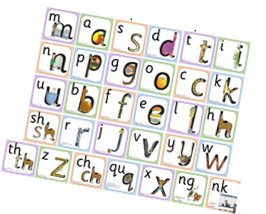
Children begin by learning simple sounds (e.g., m, a, s, d, t). They practise reading and writing these sounds daily using rhymes and actions.
2. Learning to Blend
Using the sounds they’ve learned, children begin to blend sounds to read short words such as cat, mat, sad
3. Introducing Red Words
Red Words are words that cannot be easily sounded out, such as the or my. Children learn to recognise the tricky elements in these words.
4. Reading Ditties
When children can blend, they stay reading simple stories called Ditties to build confidence and fluency.
5. Set 2 and Set 3 Sounds
Children learn more complex sounds (e.g., ay, ee, igh, ow) and alternative spellings.
6. Reading Storybooks and Non-fiction
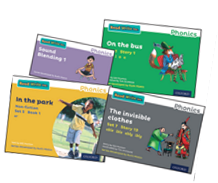
As skills develop, children read RWI books matched to their reading level. These texts allow then to practise: - Fluency - Expression - Vocabulary - Comprehension.
Grouping and Progress
Children are grouped according to their reading level. Groups are regularly reviewed to ensure each child is practising at the appropriate level. This means children receive targeted teaching that meets their needs.
What a Typical RWI Session Looks Like
Sessions are fast-paced, fun, and engaging. A typical lesson includes: - Reviewing previously learned sounds - Learning or practising a new sound - Reading words with that sound - Spelling using Fred Fingers - Reading a storybook matched to their level - Completing simple writing activities
Key Terms Parents Will Hear
- Fred Talk: Sounding out (blending) words using pure sounds e.g c-a-t = cat.
- Fred Fingers: Segmenting words into sounds to support spelling.
- Fred in your head: sounding out silently in your head and only reading the whole word out loud.
- Green Words: Decodable words.
- Red Words: Words that cannot easily be decoded.
- Speed Sounds: The name for the letter-sound correspondences taught in the programme

Supporting Your Child at Home
You can make a big difference to your child's reading progress by:
1. Listening to Your Child Read
Using the RWI reading books sent home from school, encourage your child to use Fred Talk to decode tricky words and praise their efforts.
2. Reading to Your Child
Hearing stories read aloud develops vocabulary, imagination, and comprehension. Continue to make time to share stories as often as possible.
3. Using Fred Talk in Everyday Life
For example: “Can you find your c-oa-t?” or “Time for b-e-d!” This will help your child learn to blend.
4. Helping with Red Words
Create flashcards or play memory games to build recognition.
Frequently Asked Questions
Why does my child read the same book several times?
Re-reading builds fluency, confidence, and comprehension. Reading for your child should be a successful experience at home and reinforces what they have learnt in school in their phonic lessons.
My child says the sounds differently than I learned. Why?
RWI teaches pure sounds – for example, m not muh – which helps children blend more easily. Please ask your child’s teacher if you need more support with this.
What if my child finds reading difficult?
RWI includes lots of repetition, small-group teaching, and structured progression. When children are struggling, we often support them with short 1-1 tutoring sessions to support them with the elements of learning to read they find most tricky. We will let you know if your child is needing this extra input. If your child is struggling at home, please speak with their teacher – early support makes a big difference.
Additional Tips for Parents
- Make reading a positive experience – praise effort, not perfection.
- Keep reading sessions short and enjoyable.
- Share bedtime stories daily.
- Talk about new words and ask simple questions.
Useful Resources
- RWI videos demonstrating sounds and blending. Links to these will be sent home by your child’s teacher and are called the Virtual Classroom.
Conclusion
Read Write Inc. gives children the tools they need to become confident readers and writers. With school and home working together, every child can succeed on their reading journey.
If you ever have questions about RWI or your child’s progress, please speak with your child’s class teacher.